When you commission a historic reconstruction, you need a team that reviews a structure like a split file and chooses that value its historical architecture initial materials, structure, and story. A specialist like Henson Architecture incorporates forensic investigation, products knowledge, and regulatory savvy to avoid pricey shocks and protect value-- and there's even more to exactly how that saves time, money, and authenticity.Understanding Historical Textile and
Products When you begin a historical restoration, you need to see the structure as a layered record of previous decisions and products rather than an empty slate. You'll approach architecture as forensic investigation, peeling back ends up to learn why a facade stopped working and which treatments regard initial textile. You prevent generic fixes a general service provider could use, liking techniques supported by the New york city Landmarks Conservancy and various other landmarks authorities.On Broad Street or a silent landmark side street, you examine mortar, wood, metal, and paint to identify suitable repairs. That measured attention maintains credibility while allowing thoughtful innovation where proof supports it. You'll value particular niche knowledge that shields history and provides durable, respectful outcomes.Navigating Preservation Regulations and Approvals Once you've documented the structure's materials and past treatments, you'll face the governing framework that regulates exactly how those components can be fixed or changed.You'll require licenses, approvals from regional historic compensations, and conformity with preservation standards that prioritize authenticity.Henson Architecture recognizes the details documents reviewers anticipate-- treatment strategies, material samples, and reasons for any kind of changes-- so you won't waste time on avoidable revisions.You'll also take advantage of their experience navigating tax credit score requirements and code variations that maintain character without sacrificing safety.Rather than thinking which proposals will pass inspection, you'll have a group that prepares for worries, coordinates with agencies, and improves authorizations, lessening delays and protecting the job's historic integrity.Diagnosing and Dealing with Hidden Structural Issues Since historical buildings frequently conceal deterioration behind coatings, you'll need a methodical technique to uncover structural problems prior to they aggravate. Start with careful visual surveys, targeted non‑destructive testing, and selective openings so you don't damage original fabric.You'll rely upon professionals who review old construction methods and materials-- masonry, wood framework, lime mortars-- so diagnoses are exact and interventions compatible. Focus on dampness resources, foundation negotiation, pest or fungal decay, and concealed load course failures.Once you have actually recognized issues, pick repair work strategies that conserve as much initial material as feasible and recover architectural stability : loan consolidation, stitch repair work, sistering woods, or discrete support. File searchings for, phased job, and expected end results so you can validate choices to regulators and stay clear of costly shocks later.Integrating Modern Solutions Without Concession While you update cooling and heating, electrical, pipes, or data systems , maintain the building's character and fabric central to every choice. You'll balance code, convenience, and preservation by choosing minimally intrusive directing, relatively easy to fix add-ons, and tools sized for old construction.You'll conceal conduits in smokeshafts, basements, and service spaces, not tear plaster or ornate woodwork. You'll define climate control that protects finishes and collections, and lighting that exposes detail without warm or UV damage.You'll collaborate with professionals to reconcile modern load requirements with historical wiring and architectural limitations. You'll record interventions so future stewards comprehend what's brand-new and what's original.Proven Performance history and Delicate Style Solutions If you're handing over a historic residential property to a repair group, seek firms that can aim to completed jobs where mindful design choices clearly managed character while addressing modern needs.You want evidence that designers understand original materials, structural actions, and period information, and that they document decisions with before-and-after images, illustrations, and client testimonials.A tested firm expects regulative obstacles, coordinates with conservators, and balances preservation with upgrades like heating and cooling or ease of access without obscuring specifying features.When you assess profiles, concentrate onanalytical: how they dealt with shabby material,
hidden systems, or code conflicts.That track record reveals they will not guess-- they'll use evaluated strategies that appreciate the building's story and expand its valuable life.Conclusion When you pick an expert like Henson Architecture,
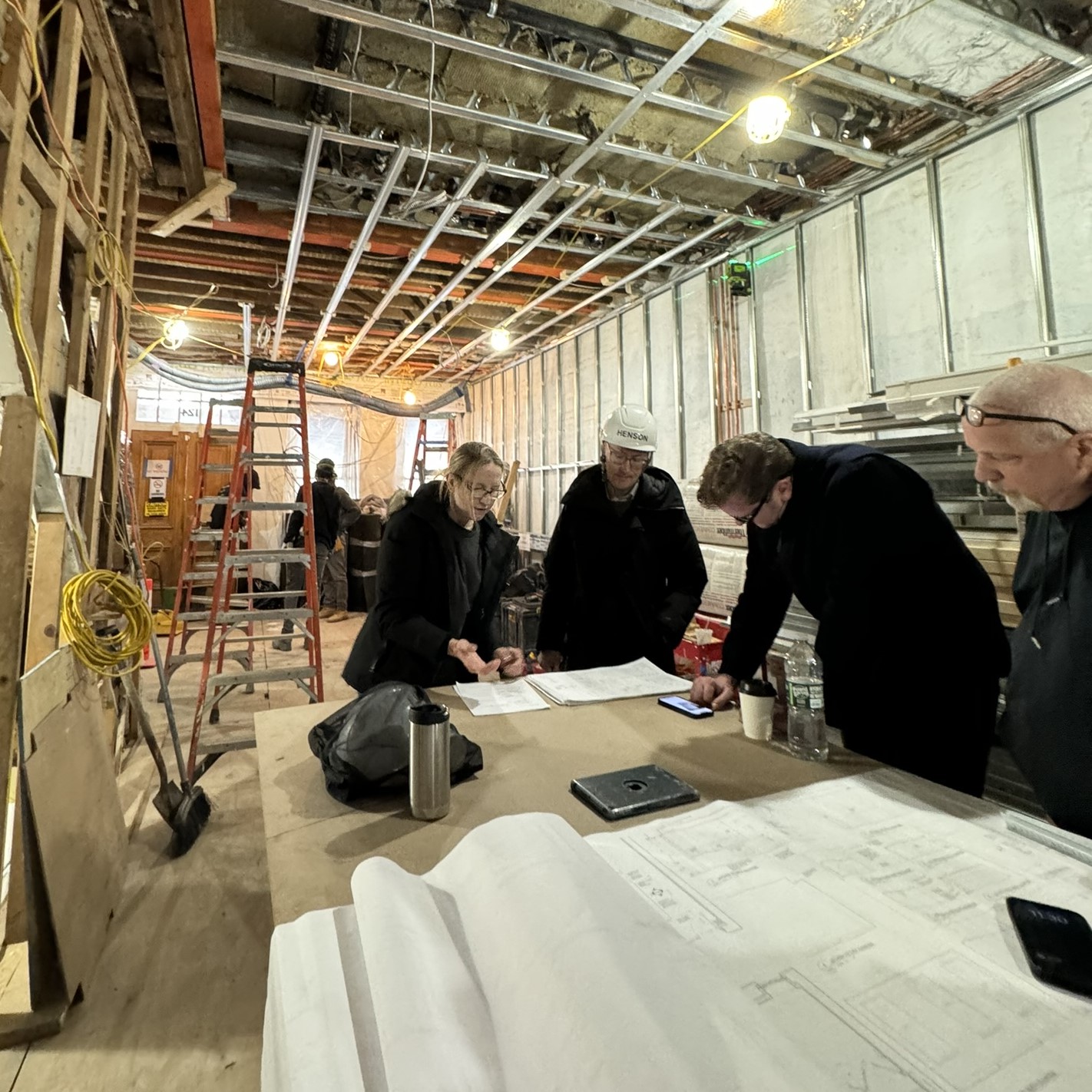
you obtain specialists who check out a building's layers, detect covert issues, and suggest relatively easy to fix, compatible fixings that value materials and character. They'll steer authorizations, line up collaborate with tax‑credit rules, coordinate with conservators and customers, and incorporate contemporary systems with minimal impact. Their tested track record lowers shocks, protects value, and provides resilient, code‑compliant outcomes so your historical task prospers both practically and aesthetically.
Name: Henson Architecture
Address: 27 W 20th St #1201, New York, NY 10011
Phone: (212) 995-2464
Website: https://www.hensonarchitect.com/